Working: 8.00am - 5.00pm

Working: 8.00am - 5.00pm
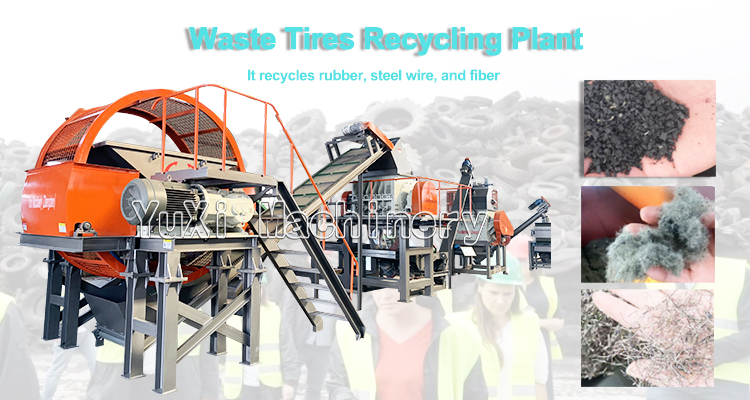
A Two Shaft Shredder is a size-reduction machine designed to process everything from car tires to electronic waste into a smaller, manageable size. To find the right fit, you must evaluate the machine based on material toughness, component quality, and maintenance accessibility.
The first step is ensuring the shredder can handle your specific input.
The longevity of a shredder is determined by its internal “DNA”. As an engineer, I recommend checking these four specific components:
Review the technical parameters to match your facility’s throughput:
| Model | Power (kw) | Capacity | Product Size |
| YXS-1000 | 37*2 KW | 5-8 T/H | 3-10 CM |
| YXS-1600 | 75*2 KW | 12-18 T/H | 3-10 CM |
| YXS-2600 | 160*2 KW | 25-60 T/H | 3-10 CM |
In a high-impact environment, things will eventually need servicing.
A Two Shaft Shredder typically produces output sizes between 3-10 CM.
Product: Two Shaft Shredder (Dual Shaft Shredder)
Applications: Scrap tires, metal waste, bulky furniture, industrial scraps, and hazardous waste.
Key Features: Planetary reducers, SKD11/H13 blades, Siemens motors, and maintenance-access doors.
Is your facility currently struggling with bulky waste that won’t fit your existing conveyors? Selecting the right Two Shaft Shredder can reduce your waste volume by up to 80% and increase your transport efficiency. Contact the Yuxi engineering team for a 30-minute technical reply or a custom 24H design proposal at +86 13674998188.
Would you like me to calculate the specific motor power required for your hourly tonnage of scrap car tires?



Our Trusted Clients






Need Help With A Project? We Have The Right Shredding Equipment For you

Zhengzhou Yuxi Machinery Equipment Co., Ltd. - Copyright 2026. All rights reserved.
We must explain to you how all seds this mistakens idea denouncing pleasures and praising account. All seds this mistakens idea denouncing pleasures.