by Yuxi Marie
January 7, 2026

How to Choose the Right Tire Shredder

To maximize ROI in tire recycling, your equipment must be capable of producing high-purity rubber blocks (approx. 50mm) while maintaining low operational costs. Use these four engineering pillars to guide your selection.

1. Torque and Blade Metallurgy: The “Scissors” Effect

Tires are incredibly tough, requiring a specific mechanical action to break them down.
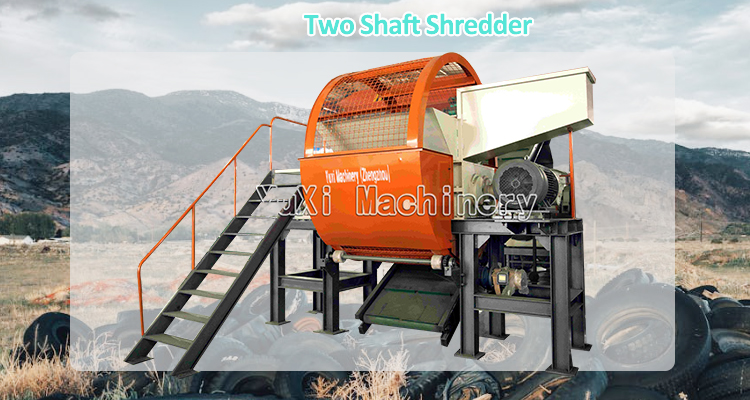
  • Dual-Shaft Shearing: Look for a dual-shaft system where high-strength alloy steel blades shear against each other. This low-speed, high-torque “scissors” action is the only reliable way to overcome the toughness of passenger, truck, and steel radial tires.
  • Wear Resistance: Ensure the blades, spindle, and housing are made of special wear-resistant materials and have undergone advanced heat treatment. This is critical for minimizing maintenance costs when dealing with steel-belted radials.

2. Integrated Sizing: The Rotary Screen Design

In my experience, the bottleneck in tire shredding is often the sorting, not the cutting.

  • Built-in Drum Screen: Choose a shredder with an integrated “Rotary Screen” or drum screen system. This allows the machine to automatically separate material that meets the 50mm specification.
  • Recirculating Crushing: The system should automatically return oversized chunks back to the main shredder for secondary crushing. This ensures a uniform output without manual sorting intervention.

3. Intelligent Protection and Safety

A tire shredder’s worst enemy is an “unshreddable” object or a massive overload.

  • Automatic Reversal: The electronic control system must include an automatic reversal feature. When the machine detects an overload or a jam, it should reverse and eject the object to prevent damage to the shafts.
  • Continuous Operation: This intelligent control reduces the need for manual intervention, ensuring the line stays stable and productive.

4. End-Product Versatility

The value of your shredder is defined by the marketability of its output.

  • The 50mm Standard: Ensure the machine can be tuned—by adjusting blade gaps and screen sizes—to produce consistent 50mm rubber blocks.
  • Application Ready: These 50mm blocks are the “gold standard” for various high-value industries, including Tire Derived Fuel (TDF), pyrolysis oil refining, modified asphalt additives, and rubber crumb production.

Engineering Checklist for Buyers:

  • Material Range: Can it handle passenger, truck, and OTR tires?
  • Output Control: Is the output size controllable to approximately 50mm?
  • Maintenance: Are the core components heat-treated for longevity?

Summary

“Choosing Yuxi means partnering with a global leader in waste resource regeneration that provides ‘certain productivity’ through twenty years of technical expertise and EU CE-certified equipment, offering integrated solutions from crushing and high-purity sorting to advanced hydraulic baling.”

Share:
finbiz_buseness
About author
Marie

Nullam varius luctus pharetra ultrices volpat facilisis donec tortor, nibhkisys habitant curabitur at nunc nisl magna ac rhoncus vehicula sociis tortor nist hendrerit molestie integer.

Our Trusted Clients

brand
brand
brand
brand
brand
brand
Subscribe Newsletter

Stay Updated with
the Latest News!

Submit Your Inquiry

* Required fields